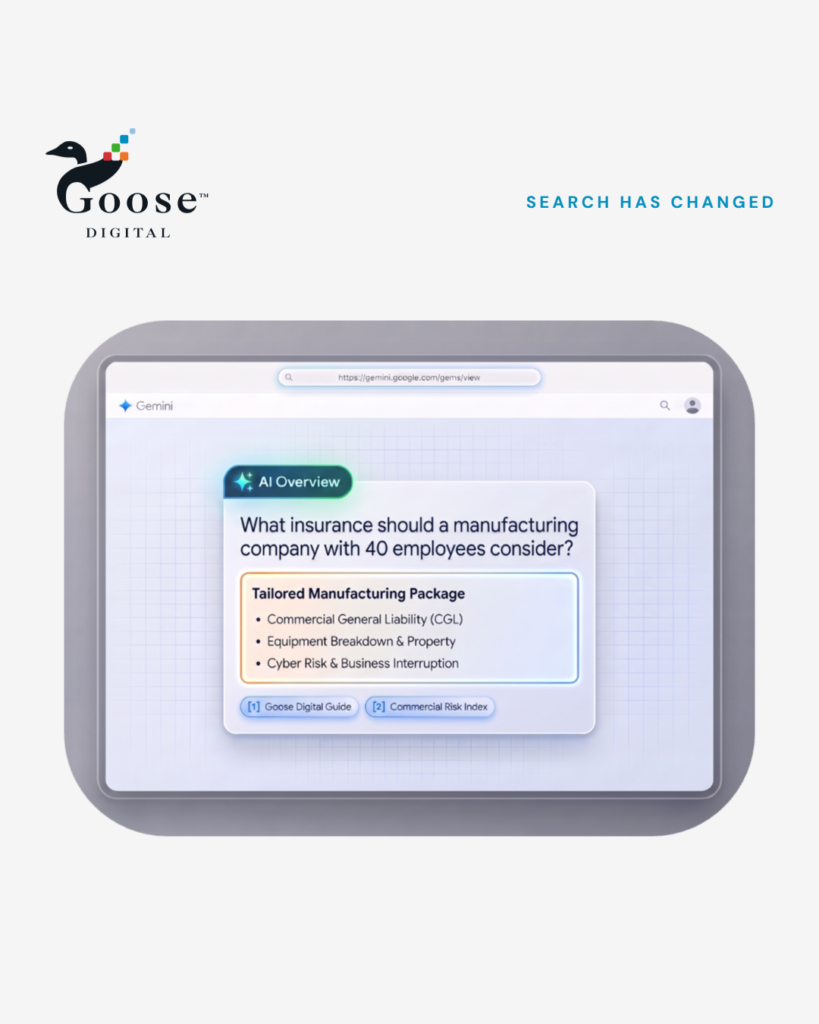

According to predictions from Gartner, by 2028, 90% of B2B buying will be AI agent-intermediated, pushing over $15 trillion of B2B spend through AI agent exchanges” [1]. For manufacturers and distributors, this shift means a static online catalog is no longer a viable option. The digital shelf must be as dynamic, intelligent, and responsive as a top-performing sales team. The competitive gap is no longer defined by who has the most data, but by who can act on it the fastest.
As B2B purchasing moves decisively online, organizations face the challenge of meeting customer expectations shaped by consumer e-commerce experiences. Buyers expect personalization, real-time inventory information, and a seamless purchasing journey. Artificial intelligence (AI) offers a practical solution, providing the tools to transform a simple product listing into a powerful, revenue-generating e-commerce channel that scales with the business.
From Information to Action: The Rise of Agentic AI
For years, businesses have used analytics tools to understand performance. Traditional AI might produce a report showing that 30% of customers abandon their shopping carts. This is useful information, but it still requires a person to analyze the problem and design a solution.
A more advanced approach, often referred to as Agentic AI, closes the loop between insight and action.

Instead of just identifying the abandoned carts, an AI agent can be configured to automatically solve the problem. It could trigger a personalized email sequence to those specific customers, perhaps offering a small discount on shipping or suggesting a complementary product. This shift from identifying problems to actively solving them is a fundamental change, allowing teams to focus on higher-value strategic work.
Three Ways AI Can Scale Your B2B E-commerce Channel
Integrating AI into an e-commerce platform allows manufacturers and distributors to automate critical functions that directly increase online sales and improve the customer buying experience.
1. Automate Personalized Product Recommendations
A generic digital catalog forces buyers to do all the work. An intelligent one guides them to the right solutions. AI algorithms can analyze a wealth of data; including a user’s browsing history, past purchases, and information from your Customer Relationship Management (CRM) system; to provide highly relevant product suggestions.
This goes beyond showing “customers who bought this also bought.” A sophisticated AI can understand the context of the purchase. For example, if a procurement manager for a construction company regularly buys a specific type of safety glove, the system can automatically recommend compatible hard hats, high-visibility vests, or even a new line of steel-toed boots from a preferred supplier. This not only increases the average order value but also makes the purchasing process faster and more helpful for the customer.
2. Optimize Pricing and Inventory in Real-Time
One of the biggest frustrations in B2B e-commerce is inaccurate inventory data, leading to unexpected backorders and lost trust. AI can bridge the gap between the e-commerce storefront and backend systems like an Enterprise Resource Planning (ERP) platform.
By creating a live connection, AI can:
- Display Accurate Stock Levels: Show real-time inventory counts to customers, creating transparency and urgency for low-stock items.
- Implement Dynamic Pricing: Adjust prices based on predefined rules, such as volume discounts, customer-specific contract pricing, or even market demand. This ensures pricing is always accurate and competitive without constant manual oversight.
- Prevent Stockouts: AI can forecast demand based on historical sales data and current browsing trends, alerting purchasing managers when inventory for a popular product is running low.
3. Deploy Campaigns to Recover Abandoned Carts
An abandoned cart is not just a lost sale; it’s a clear signal of interest. AI-powered agents can turn these moments of hesitation into opportunities for conversion.
When a registered user leaves items in their cart, an automated workflow can be triggered. This system can send a timed series of communications designed to bring the buyer back. The first email might be a simple reminder, while a follow-up could include answers to frequently asked questions about the products in their cart or highlight a specific product benefit. For high-value carts, the system could even alert a sales representative to make a personal follow-up call. This automated, yet personalized, approach can significantly increase revenue recovery.
Overcoming the Integration Bottleneck
For many manufacturers and distributors, the biggest hurdle is getting different systems to communicate effectively. Scaling these AI-driven functions requires a seamless flow of data between the e-commerce platform, CRM, and ERP. Fortunately, modern integration tools and a clear strategy can make this process manageable.
At Goose Digital, we often help clients overcome this integration challenge. For instance, we have several e-commerce use cases leveraging AI to scale operations such as product onboarding, categorization, image clean up, AI-powered chatbots, and more. These tasks, once manual and time-consuming, become automated workflows that feed directly into a dynamic digital shelf. The key is to start with a focused goal and build integrations that directly support a measurable business outcome.
A Component of Intelligent Marketing
This AI-powered approach to e-commerce is a core component of what we at Goose Digital call Intelligent Marketing. It demonstrates how to blend four essential pillars to achieve real growth:
- Strategy: Defining the go-to-market plan and identifying which customer segments will benefit most from a dynamic e-commerce experience.
- Automation: Building the systems that manage recommendations, pricing, and cart recovery without manual intervention.
- AI: Using algorithms to power the personalization and decision-making that make the system effective.
- Human Creativity: Having experts set the initial strategy, write compelling copy for recovery campaigns, and analyze performance data to refine the approach over time.
By integrating these elements, organizations do more than just sell products online; they build a scalable, efficient, and customer-focused sales channel designed for the future.
The shift toward digital-first B2B sales isn’t a trend on the horizon, it is the current reality. As the lines between B2B efficiency and B2C convenience continue to blur, manufacturers and distributors cannot afford to leave their digital shelves gathering dust. Implementing AI and Agentic systems isn’t just about cutting administrative time; it’s about claiming market share before the competition does. By marrying strategy, automation, AI, and human creativity, your e-commerce platform ceases to be a static website. It becomes your most tireless, data-driven, and scalable asset.
Don’t let the integration bottleneck hold your growth back.
Contact Goose Digital today to discover how we can help you unite your data, automate your workflows, and build a truly Intelligent Marketing engine.
Sources
Gartner. (2025, October 21). Gartner unveils top predictions for IT organizations and users in 2026 and beyond [Press release]. https://www.gartner.com/en/newsroom/press-releases/2025-10-21-gartner-unveils-top-predictions-for-it-organizations-and-users-in-2026-and-beyond
Content Integrity
This article was generated with the assistance of AI and edited by a human team member.