

Audio Overview
How does an industrial solutions provider maintain momentum when a purchase decision is shared by thirteen distinct decision-makers across engineering, operations, and procurement?
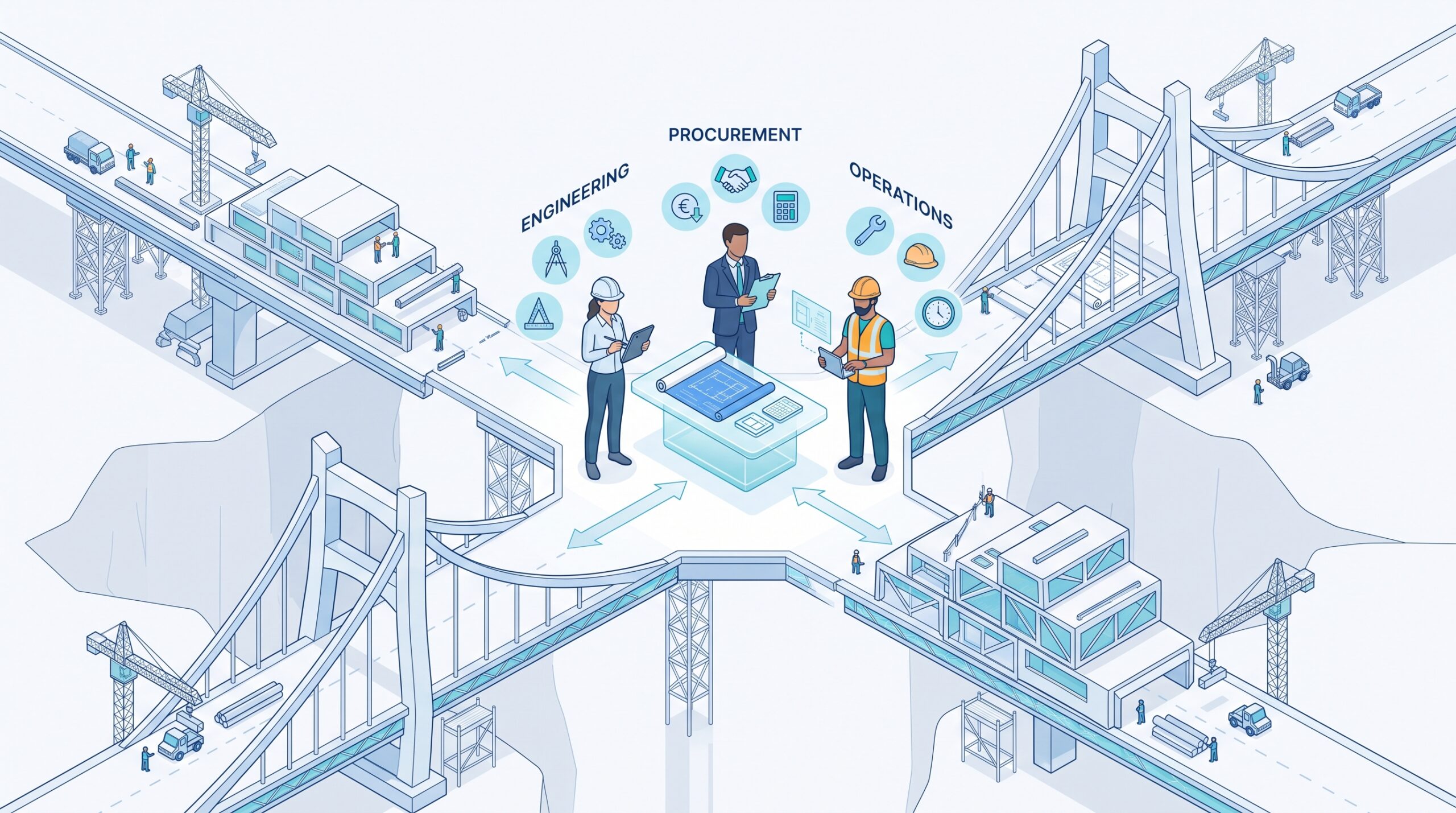
According to research from Forrester Research, the average Business-to-Business (B2B) buying group now consists of approximately 13 internal stakeholders. Furthermore, Gartner reports that 74% of these buying teams experience significant conflict during the decision-making process. Because of these differing professional priorities, a single generic marketing pitch is no longer enough to win enterprise deals. The challenge is not just convincing a single champion, but building consensus across a diverse buying committee.
For companies selling complex industrial goods or enterprise systems, technical webinars offer a structured way to address this challenge. When properly designed, these sessions serve as an educational platform that simultaneously satisfies the analytical needs of technical staff and the commercial concerns of business leaders.
Balancing Technical and Operational Perspectives
To align a multi-stakeholder buying group, educational content must speak to multiple professional roles at the same time. The technical webinar is uniquely suited for this purpose, but only if it is structured with the distinct needs of each stakeholder in mind.
Engineers and technical personnel require granular, specific documentation. They want to see Application Programming Interface (API) specifications, integration capabilities, and system limits. In contrast, operations managers and business executives focus on operational disruption, ease of adoption, and overall Return on Investment (ROI).
A successful webinar formula integrates product-line storytelling with technical evidence rather than focusing on a superficial sales pitch. The presentation must lay out a real-world scenario where both the operational and technical layers are resolved together. For example, instead of simply listing the features of a machine, the presenter should demonstrate how those features reduce manual labour on the plant floor while remaining compatible with existing Information Technology (IT) infrastructure.
Real-World Application: The Six S Partners Playbook
To see how this works in a complex, research-heavy buying journey, consider Six S Partners, one of North America’s leading Epicor Enterprise Resource Planning (ERP) implementers with offices across Canada and the United States. Six S Partners designs educational campaigns specifically for prospects, existing clients, and past clients who need to upgrade or integrate Epicor Kinetic modules.
Instead of high-level sales pitches, their ongoing webinar series features internal Subject Matter Experts (SMEs), Epicor team members, and external industry specialists. They focus on the practical realities of ERP systems, addressing everything from engineering and operations to shipping, receiving, inventory, and supply chain management.
These specialized sessions typically attract 20 to 30 highly targeted registrants. While approximately two-thirds of these registrants attend live, the true value extends far beyond the live broadcast. Every registrant receives the recorded materials and is entered into a customized nurture campaign. This nurture sequence triggers automatic follow-ups when an attendee reaches a specific lead score threshold or downloads a technical resource. This strategic, education-first approach consistently yields a 3% to 12% close rate on new or uptick business, depending on the subject matter and the time of year.
Scaling Relevance Through Artificial Intelligence and Human Oversight
Scaling this level of personalization across different industries and roles can strain internal marketing operations. This is where Artificial Intelligence (AI) serves as a valuable tool for speed and relevance.
Rather than hosting separate webinars for every target audience, marketing teams can use AI tools to process a single, high-value technical webinar transcript. AI algorithms can rapidly generate role-specific summaries and follow-up resources. For instance, the system can extract a technical engineering brief detailing system specifications, while simultaneously drafting a high-level operational summary for procurement and executive leaders emphasizing ROI and risk mitigation.
However, technical industries require absolute precision. A hallucinated specification or an inaccurate claim can derail credibility instantly. Therefore, organizations must pair AI generation with strict human Quality Assurance (QA). Technical experts and product managers must review all AI-generated content to verify technical accuracy, claims, and specification language before anything is distributed. This balanced workflow allows marketing teams to increase content throughput significantly without introducing operational risk.
Integrating Participant Interaction into CRM Lead Scoring
A webinar should never be a one-way broadcast; it is a rich source of behavioural data. When participants answer live polls, ask technical questions, or download resources during a session, they are signalling their specific stage in the buying journey.
By integrating the webinar platform directly with a Customer Relationship Management (CRM) system; such as Salesforce, HubSpot, or Microsoft Dynamics; organizations can capture these interaction signals in real-time. This behavioural data should feed directly into marketing automation workflows.
For example, an engineer who downloads a technical specification sheet during a webinar should receive a higher score for technical interest. Conversely, an operations director who asks about implementation timelines should trigger an immediate notification for the sales team.
To maximize the value of this data, organizations must establish a structured approach to marketing and sales alignment. Implementing a methodology for building a lead scoring framework to drive conversion ensures that marketing teams do not pass cold leads to sales, while also preventing hot, highly engaged opportunities from being ignored.
Frequently Asked Questions
How can a single webinar appeal to both highly technical engineers and business executives?
The most effective approach is to structure the agenda into distinct, clearly defined segments. The first half of the webinar can focus on the business impact, operational efficiency, and financial outcomes to engage executives. The second half can then transition into a detailed technical demonstration, allowing engineers to ask specific questions about implementation and performance.
What is the most effective way to engage registrants who do not attend the live session?
Every registrant should be automatically entered into a post-event nurture sequence. Send a segmented email offering a complete recording along with a brief, high-level summary of the key takeaways. Using interactive on-demand hosting platforms allows late viewers to interact with polls and download resources, capturing valuable engagement data even weeks after the live event.
How can organizations ensure that AI-generated post-webinar summaries remain accurate?
A strict human-in-the-loop workflow is essential. Before any AI-generated summary, email, or guide is published, it must pass through a formal Quality Assurance review. A product expert or engineer must sign off on the technical details, ensuring no automated inaccuracies find their way into client-facing communications.
How do we connect webinar engagement to actual revenue attribution?
By connecting the webinar platform to the CRM, marketing teams can track which closed-won opportunities attended or viewed specific sessions. This data enables multi-touch attribution, showing how educational content influences deals at various stages of the sales cycle.
Conclusion
Aligning a complex buying committee requires a deliberate combination of deep educational content, role-specific personalization, and robust system integration. By treating technical webinars as data-gathering opportunities rather than static broadcasts, industrial organizations can build consensus, accelerate sales cycles, and drive measurable revenue growth.
Review the registration data from the last three webinars. Identify any accounts where multiple people from different departments registered, and coordinate a unified follow-up strategy with the sales team to address the unique needs of those specific roles.
To find out how Goose Digital can help you align complex buying groups, optimize your marketing automation, and turn technical webinars into measurable pipeline, contact us today.
Sources
- Gartner Sales Survey: Buying Group Dynamics
- Forrester Research: B2B Buying Decisions
- HubSpot Blog: Webinar Statistics and Benchmarks
- Six S Partners Official Website
Content Integrity
This article was generated with the assistance of AI and edited by a human team member.